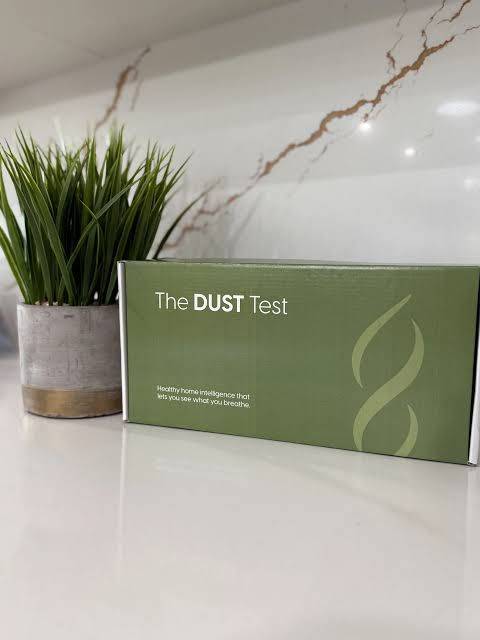
The Dust Test
50% of American homes have a mold or moisture problem.
Testing your home for environmental mold doesn't have to be scary. First, use your senses:
1. See
2. Smell
3. Feel
-
See: Look around your home for visible signs of water intrusion, discoloration, staining, warping, or actual mold growth. Can you remember a material staying wet in your home for longer than 24 to 48 hours? It can begin to grow mold.
-
Smell: Pay attention to a distinct musty, earthy, or "basement" smell.
-
Feel: Notice how your body feels inside the space.

Here is how to test your home in 3 Easy Steps:
- Order the at-home lab kit shipped to your door. Tests for 36 harmful mold species in household dust.
- Receive a report: Is your environmental mold a level 1, 2, 3, 4, or 5? Anything above a 2 or 3 warrants a home inspection.
- Need a 3rd-party home inspection? The home remediators can't be the inspectors. Get a comprehensive, unbiased inspection before any home remediation is necessary.
Lab Test: $299.00
Book a Call with Taylor to discuss whether a urine MycoTox panel or a serum mycotoxin panel is recommended for your specific symptoms.
Get The Dust Test