
Case Study: The Multi-Medication Miss (And the Inexpensive Root-Cause Fix)
Jun 09, 2026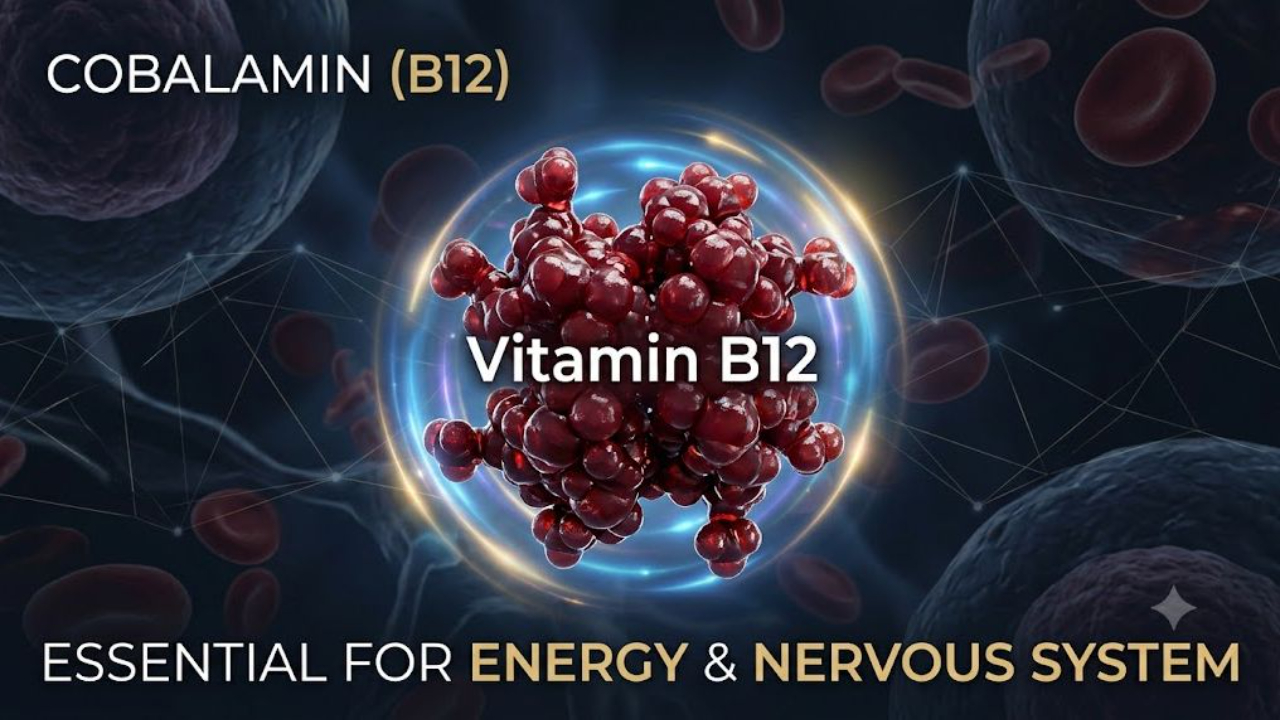
Everywhere you look, the focus is on advanced protocols, trendy peptides, and complex treatments. But I find myself (true to form 😉) running in the opposite direction.
Always asking what we are missing in the rush for the "next big thing."
Lately, I’ve been diving into two books that have completely blown my mind: a 1985 classic on business systems, The E-Myth, and a powerful 2005 medical deep-dive titled, Could It Be B12? An Epidemic of Misdiagnoses.
The authors of Could It Be B12?, a husband-and-wife doctor and nurse duo, kept noticing a pattern in the emergency room. When they began screening patients for B12, they didn't just find occasional deficiencies; they found low B12 everywhere. And it's tragic because it's such an inexpensive, easy fix for something we know in the functional world that drives inflammation: nutrient deficiencies.
Why Methylation Matters (And What It Has to Do With Your Genes)
Vitamin B12 is a foundational spark for the methylation process. It works hand-in-hand with folate (Vitamin B9) to keep your biochemistry moving. If you’ve ever had your genetics run with me, you already know that supporting this pathway is the ultimate answer for those carrying MTHFR variants.
If terms like "methylation" or "MTHFR" are foreign to you, think of methylation as a vital biochemical cellular switch. It is the process that literally commands your body to turn specific genes on or off.
(Fun side note: This exact conversation is how SNIP Nutrigenomics earned an invitation to an upcoming integrative cancer conference in San Diego, CA at the end of this month!)
When our bodies don’t get enough raw materials from our diet- think high-quality animal proteins like fish, meat, poultry, eggs, or milk for B12, and vibrant leafy greens for folate, our system struggles to produce the methyl donors it needs to kick off this process. Because B12 cannot be synthesized by the human body, it must be obtained from dietary sources (like meat, fish, and dairy) or supplements. If you carry specific genetic variants (like MTHFR), getting these vitamins from whole, unfortified food sources is often preferred. Synthetic "folic acid" added to conventional processed grains can clog the cellular receptors of people who struggle to methylate it properly.
The Hillside Garden Analogy
To picture how this works, imagine a pristine lake of Grade-A water, responsible for feeding 250 beautiful gardens and farms in a quaint small town on the hillside. A central pump system pushes the water to where it needs to go.
If you have genetic methylation variants, your pump system breaks down easily, or the hoses get kinked. If you aren't actively on top of it, those farms and gardens will slowly wither away simply because they aren't receiving their basic resources. Your cells operate the same way: they require raw, structural hardware to keep running.
The Critical Role of B12
When the body experiences a baseline B12 (also known as cobalamin) deficiency or struggles to absorb it properly, the cellular pump system halts. This can lead to serious long-term health complications, neurological injury, chronic disability, and premature cellular aging.
The authors of Could It Be B12? argue that diagnosing and treating a B12 deficiency is one of the most inexpensive, accessible pieces of preventative medicine available to us.
Ok, I'm listening!
Essential Functions of B12:
-
System Protection: Maintains a healthy immune system and protects the nervous system (including peripheral nerves, the spinal cord, and the brain).
-
Cardiovascular & Neurological Defense: B12 allows folate to convert the toxic amino acid homocysteine (Hcy) into the essential amino acid methionine. Elevated homocysteine is highly vasculotoxic (damages blood vessels) and neurotoxic (damages brain cells).
- DNA Synthesis: B12 is a cofactor in creating DNA, essential for cell replication and repair.
- Nervous System Health: It aids in synthesizing myelin, the protective sheath around nerves, which is crucial for proper nervous system function.
- Red Blood Cell Formation: Vitamin B12 supports the production and maturation of red blood cells, preventing anemia.
- Energy Production: It is involved in metabolizing fatty acids and amino acids, contributing to energy production.
How Deficiency Silently Wrecks Your Body Systems
Because B12 is required by your cells, a shortage doesn't just cause basic fatigue. It shows up across your entire symptom chart:
-
Neurological: Numbness, tingling, balance issues, muscle weakness, tremors, unexplainable headaches, vision loss, or mental health struggles like depression, irritability, psychosis, and cognitive decline.
-
Hematological (Blood): Chronic fatigue, anemia, and enlarged red blood cells (macrocytes).
-
Vascular: Increased risk of coronary artery disease, heart attacks, deep-vein thrombosis (DVT), pulmonary embolisms, and strokes.
-
Gastrointestinal: Chronic indigestion, abdominal pain, stubborn constipation or diarrhea, acid reflux (GERD), and unexplained weight loss.
-
Musculoskeletal: Accelerated bone loss, osteoporosis, and suppressed activity of osteoblasts (the cells responsible for building new bone).
-
Immunological & Systemic: Poor wound healing, high susceptibility to frequent infections, and an elevated risk profile for cellular mutation.
Case Study: The Multi-Medication Mismatch
Recently, a handful of you raised your hands to experience my new Root Cause Clarity Lab Report Review. Check out what we uncovered in one specific case study.
I’ve worked with this particular client for years. She has an entire team of conventional providers, takes her wellness incredibly seriously, and invests heavily in her health. She is currently on a structured protocol that includes medications for sleep and mental health support, and she was on prior weight-loss medication (GLP-1), alongside an integrative doctor managing bioidentical hormone replacement therapy (BHRT) and longevity peptides.
As her Functional Diagnostic Nutritionist, she wanted me to take a functional peek at her recent blood labs to look for dietary, lifestyle, and targeted supplement gaps that her standard care team might have overlooked.
Because I have archived her lab history for years, I didn't just look at her current static numbers; I looked at the trends. Here is what kept popping up:
-
B12 status dropping
-
Folate (B9) dropping
-
Ferritin (stored iron) jumping significantly
What Was Actually Going On?
I asked her a simple question: "Have any of your medical providers ever screened your functional B12?"
The answer was a resounding no.
As we age, adopt more plant-forward diets, or utilize modern weight-loss medications like GLP-1 agonists, our stomach acid lowers and our ability to absorb B12 drops drastically. But the true kicker appeared when I cross-referenced her functional genetics with her Complete Blood Count (CBC).
Her biochemical picture, genetics, and health symptoms were screaming for Therapeutic Levels of B12, which look entirely different for everyone compared to standard laboratory ranges.
Are you getting enough dietary protein? Are there issues with digestion/absorption? Are your Ferritin or Homocystein levels elevated? Family history of pernicious anemia?
Or are you trying to fill an empty swimming pool with a teaspoon of water a day? That's what your generic multi-vitamin may be doing.
My Root-Cause Recommendations
-
Test, Don't Guess: Discover the exact, bioavailable format and daily dosage of functional B12 your body requires based on a functional genetics test (which you only need to take once in your life). Emerging research shows that therapeutic (higher dosing) of Vitamin B12 can help optimize genetic pathways by supporting methylation, a biochemical process that influences gene activity. Methylation is crucial for numerous body functions, including detoxification, neurotransmitter production, and DNA repair. Individuals with certain genetic variations (e.g., MTHFR or MTRR gene variants) may have a higher need for B12 to ensure these processes work efficiently.
-
Track the Trends: Actively monitor B12 levels and folate levels, using a full Complete Blood Count (CBC) or Nutrient Panel every 6 to 12 months to watch for changes before symptoms catch up to you.
Book Resources
Pacholok, S. M., & Stuart, J. J. (2005). Could it be B12?: An epidemic of misdiagnoses. Quill Driver Books.
SNiP Nutrigenomics. (2024, June 6). Vitamin B12: Optimizing genetic expression and ensuring safety. SNiP Nutrigenomics Blog. https://snipnutrition.com/blog/vitamin-b12-optimizing-genetic-expression-and-ensuring-safety/
https://integrativecancerconference.com/